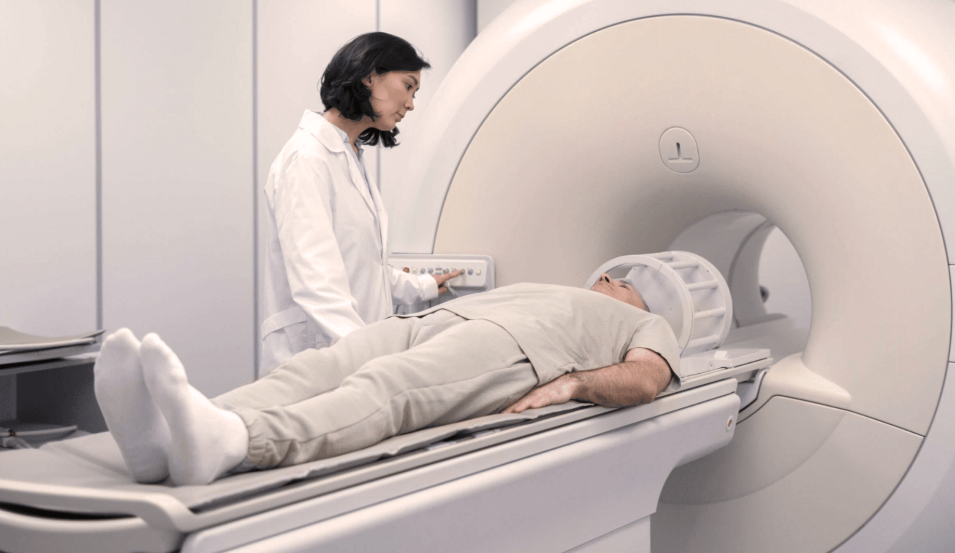
Medical imaging technology employs various physical principles to visualize the internal structures of the human body. Techniques such as X-rays, MRI, and ultrasound each utilize distinct mechanisms to capture detailed images. These modalities play a crucial role in enhancing diagnostic accuracy and treatment planning. Understanding how these technologies operate is essential for appreciating their impact on healthcare. Further exploration reveals exciting advancements that could revolutionize medical imaging practices.
Key Principles of Medical Imaging Technology
Medical imaging technology is founded on several key principles that govern how images of the human body are generated and interpreted.
X-ray principles rely on differential absorption of radiation by various tissues, while MRI mechanisms utilize magnetic fields and radio waves to create detailed images.
Together, these technologies enhance diagnostic accuracy, allowing healthcare professionals to make informed decisions regarding patient care and treatment options.
See also: How Intelligent Automation Impacts Employment
Explore the Different Types of Medical Imaging
While various imaging modalities serve distinct purposes in clinical practice, each type plays a crucial role in diagnosing and monitoring health conditions.
Ultrasound technology utilizes sound waves for real-time imaging, making it invaluable for assessing soft tissues and fetal development.
Meanwhile, MRI advancements enhance the visualization of internal structures, providing detailed images critical for diagnosing complex conditions across various medical fields.
Improving Diagnosis and Treatment With Medical Imaging
Advancements in imaging technology significantly enhance the accuracy of diagnosis and the effectiveness of treatment in healthcare.
By improving diagnostic accuracy, clinicians can identify conditions earlier and more reliably. This precision informs treatment planning, allowing for tailored interventions that optimize patient outcomes.
Enhanced imaging modalities facilitate real-time monitoring, ensuring that treatment adjustments are made based on the patient’s evolving condition.
Future Innovations in Medical Imaging
Innovations in imaging technology are poised to transform the landscape of healthcare in the coming years.
AI advancements will enhance image analysis accuracy, facilitating earlier diagnosis and personalized treatment plans.
Concurrently, wearable imaging devices promise real-time monitoring of health metrics, empowering patients with greater control over their well-being.
These advancements herald a new era of efficiency and accessibility in medical imaging.
Conclusion
In the realm of healthcare, medical imaging technology serves as a beacon, illuminating the hidden intricacies of the human body. By harnessing diverse physical principles, these modalities not only unveil the mysteries of internal structures but also foster early diagnosis and tailored treatments. As the field evolves, the promise of future innovations heralds a new dawn, where enhanced imaging techniques will further bridge the gap between uncertainty and clarity, ultimately nurturing improved patient outcomes and advancing medical science.